Is the Marshall House in Savannah Really Haunted?
The Marshall House's haunted reputation rests on real documented history: an 1851 opening, Civil War and yellow fever hospital service, and guest reports the hotel itself publishes. Here is what is fact and what is folklore.
Is the Marshall House in Savannah Really Haunted?
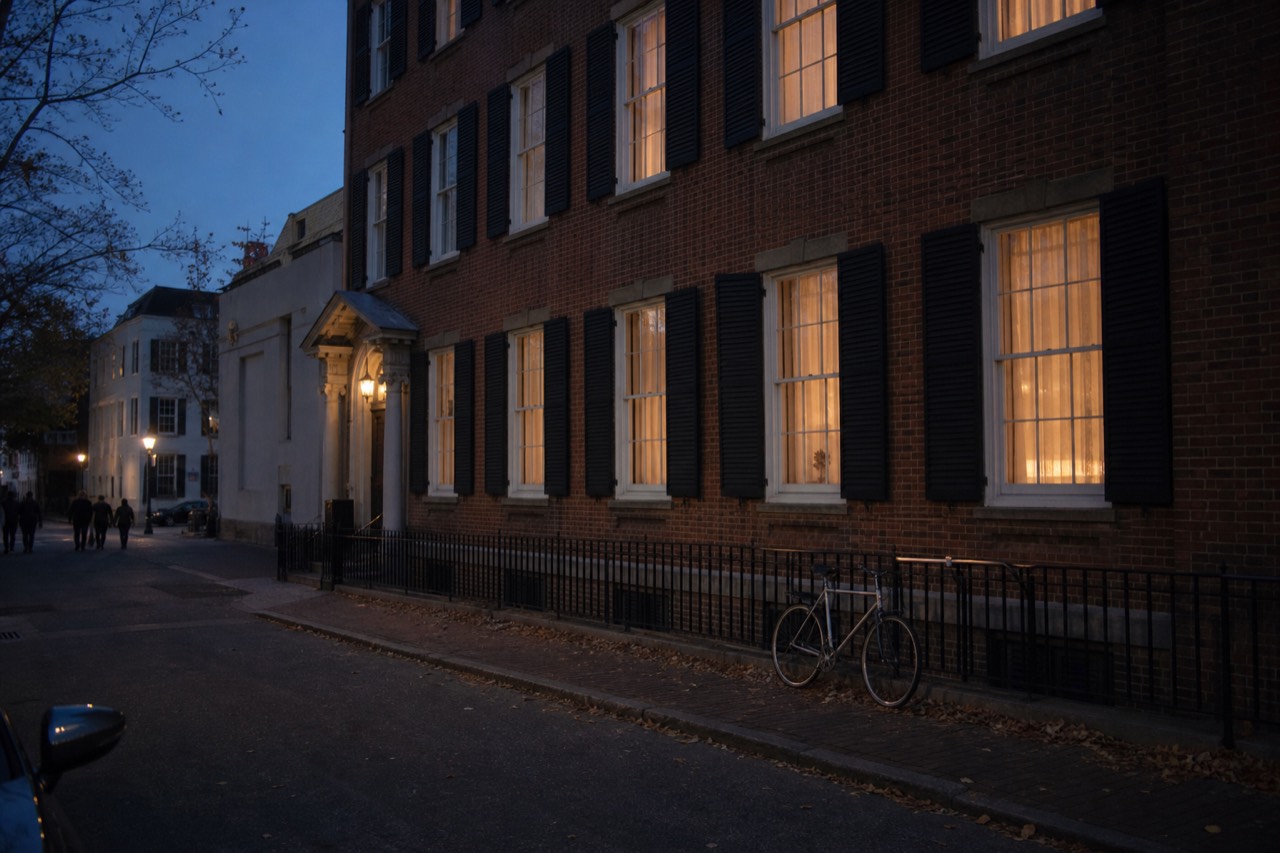
No paranormal claim about the Marshall House has ever been proven, but the hotel's haunted reputation rests on real, documented history: the building opened in 1851, served as a hospital twice, and its own website collects guest reports of apparitions, footsteps, and faucets turning on by themselves. Folklore, yes. Invented, no.
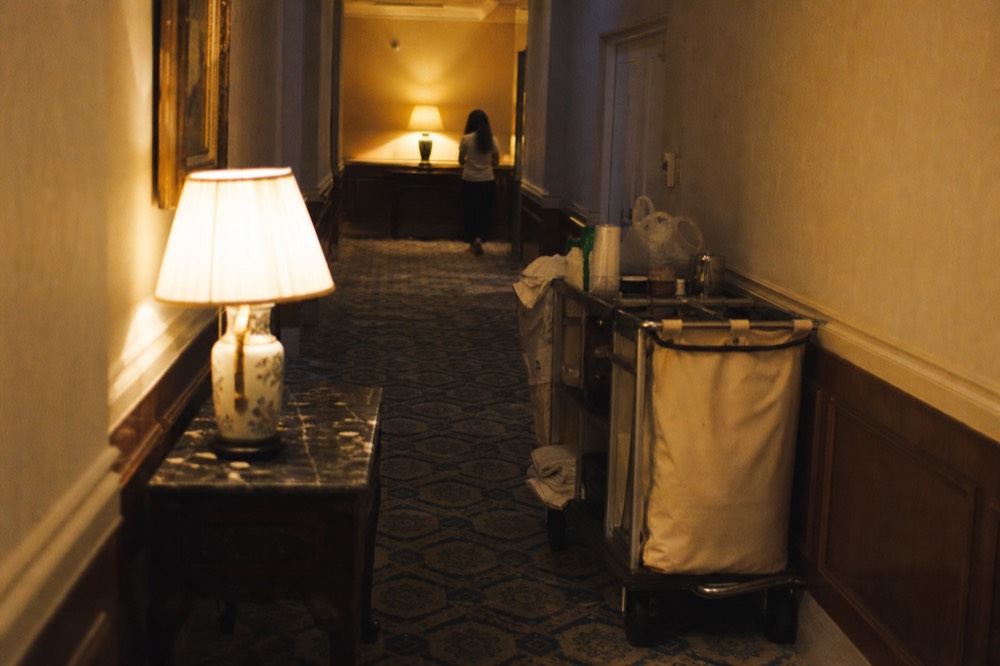
Savannah trades heavily on its ghost stories, and the Marshall House sits near the center of that trade. What makes this particular hotel different from a dozen other "haunted" inns across the South is that the underlying history is not marketing invention. The building really did open in 1851, and it really did serve as a hospital, twice, during two of the darkest chapters in the city's past. The hotel's own site publishes a haunted history page that reports guest accounts of apparitions in hallways and foyers, sounds of children running in the halls at night, and faucets turning on by themselves.
The honest framing matters. Nobody has ever demonstrated that a ghost walks those halls, and this site does not claim otherwise. What you can verify is the history, the hotel's own published guest reports, and the fact that the property has been featured on Travel Channel programs about haunted hotels. That is a stronger factual foundation than most haunted-hotel stories can offer, and it is exactly why the Marshall House keeps drawing ghost-curious travelers year after year.
If a haunted hotel stay is one leg of a bigger Savannah trip, pairing it with time on the water is a natural plan. The riverboats depart from 9 East River Street, a short cab ride from the hotel, and an evening on the river is the easiest way to see the historic waterfront that gives the city its atmosphere. This article walks through the documented history first, then the published guest claims, then how the Marshall House fits into Savannah's wider haunted landscape, and finally how to build a trip around it.
What happened inside the Marshall House during the Civil War?
During the Union occupation of Savannah at the end of the Civil War, from 1864 to the close of the occupation, the Marshall House building was used as a hospital for wounded soldiers. The hotel's own published history confirms this use, alongside an earlier role treating victims of the city's 19th-century yellow fever epidemics. That dual hospital service is the documented root of every ghost story told about it.
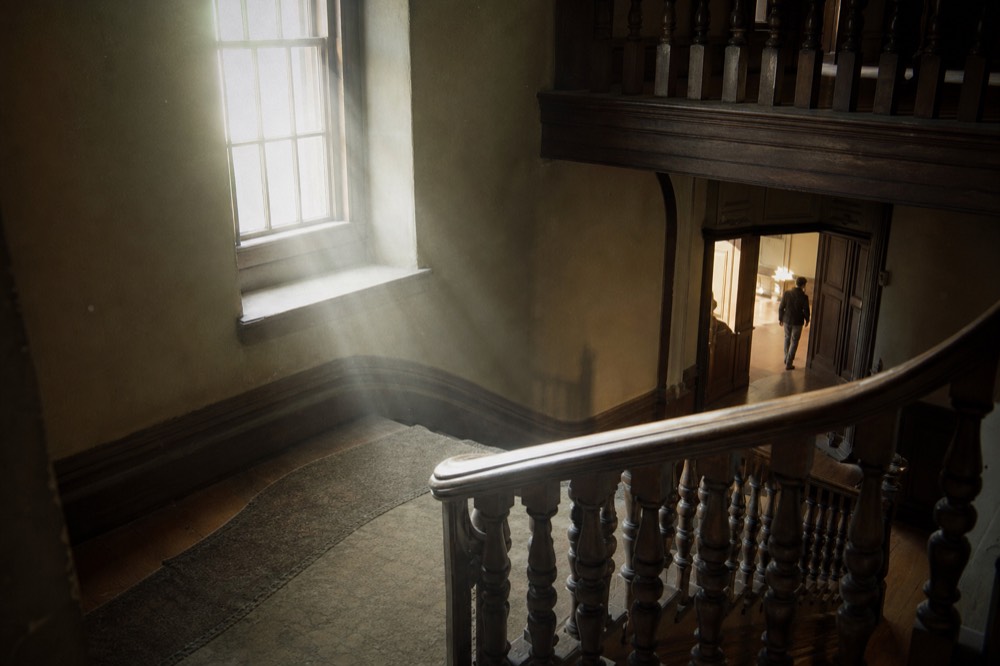
The Civil War chapter is the one most retold. When Union forces took Savannah in December 1864 at the end of their march to the sea, the city's buildings were pressed into service, and the Marshall House became a hospital treating the wounded. The hotel's history timeline confirms the building served that role through the occupation. Guests who later heard that wounded men died in the rooms they were sleeping in did not need much help imagining the rest.
The yellow fever chapter is arguably darker. Savannah was hit repeatedly by epidemics in the 19th century, and the 1854 outbreak killed more than 1,000 people in a city far smaller than today's. The Marshall House served as a hospital during those epidemics too. When a building has genuinely held that much death, the folklore that grows around it is at least rooted in something real, which is more than can be said for many invented haunting tales.
The timeline below lays out the documented record against the folklore that has attached to it.
| Year or period | Documented fact | Folklore it feeds |
|---|---|---|
| 1851 | The Marshall House opens as a hotel | The city's oldest operating hotel claims, and its age anchors the stories |
| Yellow fever epidemics, 19th century | The building served as a hospital during outbreaks, including the 1854 epidemic that killed 1,000+ | Reports of apparitions and unexplained sounds in halls and rooms |
| 1864 to the end of the Union occupation | Hospital use during the occupation of Savannah | Tales of soldiers' footsteps and children's voices, which the hotel's own site reports guests describing |
| Modern era | The hotel publishes guest accounts of faucets turning on and apparitions, and has been featured on Travel Channel | Its standing as one of America's best-known haunted hotels |
For context on how Savannah's wider haunted reputation took shape, the historical roots run through the whole city, not just this one building. The most haunted places in Savannah trace back to the 1779 Siege of Savannah with over 800 casualties, the 1820 yellow fever epidemic that killed roughly 700 people in a city of only 5,000 to 7,000 residents, and destructive fires in 1796 and 1820. The Marshall House is one chapter of a much longer, genuinely grim record.
What do guests actually report at the Marshall House today?
The hotel's own website collects and publishes guest reports: apparitions seen in hallways and foyers, sounds of children running in the halls at night, and faucets that turn on by themselves. These are real, published claims attributed to real guests, and Travel Channel has featured the property's haunted reputation. None of them has been independently verified as paranormal.
That distinction is worth dwelling on, because it is what separates honest coverage from ghost-tour patter. The hotel is not claiming ghosts exist. It is reporting what guests say they experienced, in the guests' own accounts, on its own site. A guest review of that kind is a real document of an experience someone believes they had. It is not proof of a haunting, and the hotel does not present it as such.
The specific claims are consistent enough to be interesting. Apparitions in the hallways and foyers, the sound of children running at night, and self-turning faucets are the three recurring motifs the hotel's own haunted page names. The children's footsteps claim is usually linked, in the retellings, to the building's hospital past, though that connection is folklore rather than record. Nobody can verify a child died there, only that guests say they hear them.
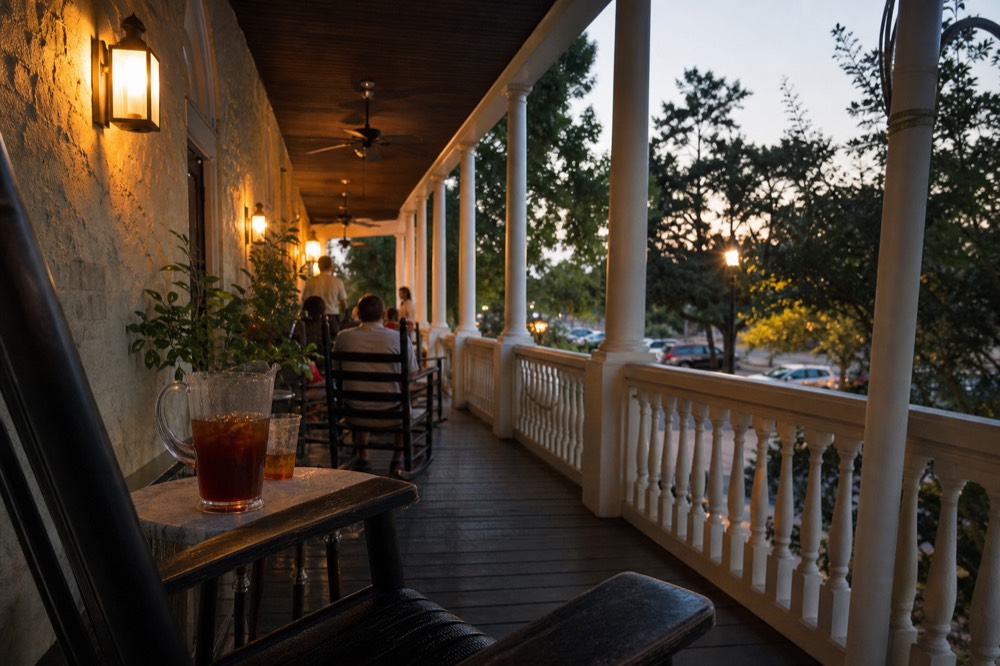
If the ghost stories are what brought you to Savannah, the city's walking ghost tours cover the Marshall House's history alongside the Mercer House, the old Candler Hospital morgue tunnels, and the squares of the Historic District. The Savannah ghost tour guide breaks down the real operators, their prices, and what each actually visits, which is useful because the tour scene mixes genuine history with pure theater in varying ratios.
How does the Marshall House compare to Savannah's other haunted landmarks?
The Marshall House is the city's most famous haunted hotel specifically because its hospital history is documented, but it sits inside a city whose haunted reputation has real historical roots: the 1779 siege, repeated yellow fever epidemics, major fires, and the port's role in the transatlantic slave trade. Among Savannah's haunted sites, the hotel is the one where the paper trail is strongest.
Savannah's "most haunted city in America" label is usually presented as a marketing line, but the underlying history is brutal enough that the reputation did not come from nowhere. The 1779 Siege of Savannah killed more than 800 people in a single battle. The yellow fever epidemics of 1820 and 1854 each killed hundreds to over a thousand residents in a small city, with mass graves associated with Colonial Park Cemetery. Fires in 1796 and 1820 destroyed large parts of town. And the city's history as a major transatlantic slave-trade port left suffering that the tourist brochures only recently began acknowledging honestly.
Against that backdrop, here is how the main haunted landmarks stack up in terms of what is documented versus what is folklore.
| Haunted site | Documented history | Reputation claims |
|---|---|---|
| Marshall House | 1851 opening; hospital during the Union occupation and yellow fever epidemics; hotel publishes guest reports | Apparitions, children's footsteps, self-turning faucets |
| Colonial Park Cemetery | Colonial-era burial ground in the Historic District; mass graves linked to the 1820 yellow fever epidemic | Ghost-tour staple, with epidemic lore retold nightly |
| Mercer House | Real 19th-century mansion, famous for the shooting death of Danny Hansford retold in "Midnight in the Garden of Good and Evil" | Walking tours retell the case; the house is privately owned |
| Old Candler Hospital site | One of the city's earliest hospitals, with real morgue tunnels | The tunnels anchor several ghost tours' spookiest stops |
The comparison shows why the Marshall House holds up better than most. Its claims are anchored to a building whose hospital use is a matter of record, published by the hotel itself, rather than to a story invented for a tour script. Whether that makes it haunted is a question nobody can answer. Whether it makes the stories worth hearing is easier.
Can you see Savannah's haunted riverfront from the water?
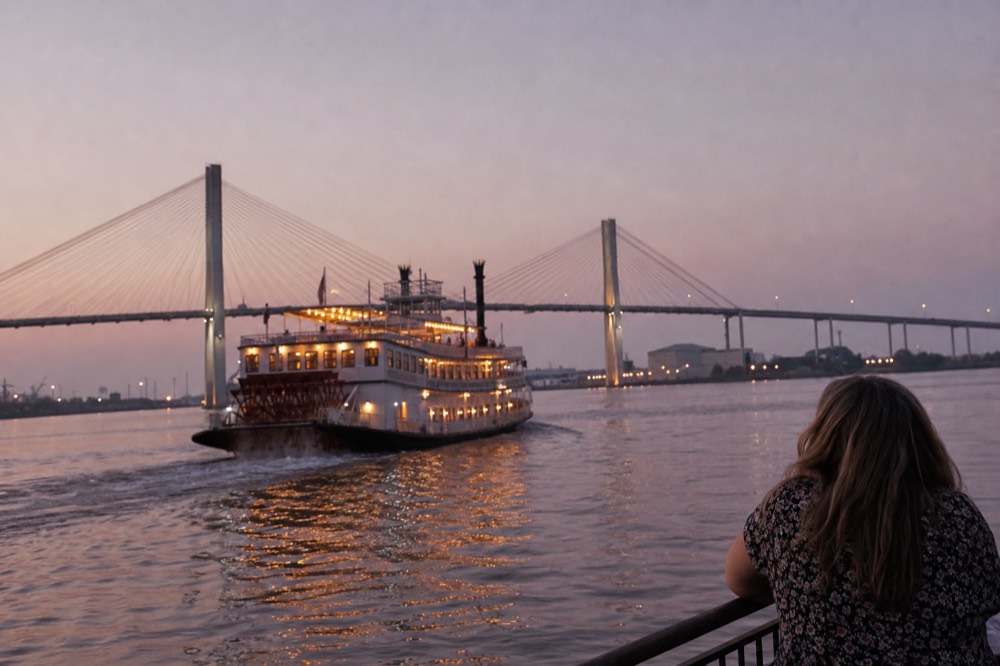
Yes, and it is the best pairing with a Marshall House stay, because the riverfront is where much of the city's dark history actually happened: the slave-trade port, the cotton warehouses, the epidemic-era city. A sunset riverboat cruise from 9 East River Street passes the Waving Girl statue, the old cotton warehouses of River Street, and the Talmadge Bridge, the same waterfront the ghost tours narrate on foot.
The sunset riverboat cruise runs about two hours, from $55.05 per person (checked September 2026), with free cancellation, and it carries a 4.3-star rating across 800 reviews (checked September 2026). Reviewers consistently single out the sunsets themselves, the live music atmosphere, and the crew, which makes it a relaxed evening rather than a spooky one. For travelers spending a night in a supposedly haunted hotel, an easy sunset sail is a good way to end the evening before the hallway noises start.
If you would rather see the working port and the harbor's history with narration attached, the daytime sightseeing cruise covers it in more detail. The narrated harbor cruise runs 1.5 hours from 9 East River Street, from $42 per person (checked September 2026), with a 4.3-star rating across 1,325 reviews (checked September 2026), and the captain narrates the container-ship traffic of the Port of Savannah upriver before the boat turns back past Old Fort Jackson. It is the history-first option, where the sunset sail is the atmosphere-first one.
For travelers weighing which to book first, a haunted evening or a river cruise, the ghost tour or river cruise comparison breaks down cost, duration, and what each actually delivers. The short version: the cruise shows you the city, the ghost tour tells you its stories, and a Marshall House night does a bit of both.
When is the best time to visit the Marshall House?
Any season works for the hotel itself, since it operates year-round, but October is when Savannah's haunted reputation peaks: ghost tours run their busiest schedules, and the fall weather, with October averaging highs near 79 degrees, is the most comfortable for walking the Historic District between the hotel and the riverfront. Summer brings heat and humidity, and winter is quiet but mild.
October has a second advantage for sunset watchers. Fall gives the most reliably clear skies over the river, with October showing about 64 percent clear or partly cloudy conditions, versus a cloudier, hazier July. If the plan is a haunted-hotel night plus a sunset sail, early October lines up the folklore, the weather, and the sunset times, roughly 7:08 pm in early October, all at once.
One honest note on the hotel experience itself: the building dates to 1851, and guests should expect a historic property, not a modern tower. The haunted reputation means ghost-curious travelers book it deliberately, and the hotel leans into that history openly rather than hiding it. Whether you leave believing anything is up to you; the history you sleep inside is real either way, and that is the part no other Savannah hotel can match quite as squarely.
Planning a fuller trip around the hotel, the river, and the stories in between is where Savannah River Cruises comes in: this site exists to sort the real, bookable cruises from the folklore, the same way this article sorts the Marshall House's documented past from its ghost stories. A hotel night, a sunset sail, and a walking ghost tour make a complete haunted-Savannah weekend, and each piece stands on its own if you only have time for one.
The short answers: no haunting has ever been proven, but the Marshall House's hospital history is fully documented, the hotel itself publishes the guest reports of apparitions, footsteps, and self-turning faucets, and the building's 1851 age plus its Civil War and yellow fever service give the folklore a real foundation. The questions below cover what travelers ask most.
Common questions about the Marshall House in Savannah
Is the Marshall House in Savannah Really Haunted?
That has never been proven, and no honest source claims it has been. What is documented is the building's 1851 opening, its use as a hospital during the Union occupation and the yellow fever epidemics, and the guest reports of apparitions, footsteps, and self-turning faucets that the hotel itself publishes. The folklore is rooted in real history.
What do guests report at the Marshall House?
According to the hotel's own site, guests have described apparitions in hallways and foyers, sounds of children running in the halls at night, and faucets turning on by themselves. These are published guest accounts, not verified paranormal events.
Why was the Marshall House used as a hospital?
Twice. During the Union occupation of Savannah it treated wounded soldiers, and during the 19th-century yellow fever epidemics it served fever victims. The 1854 epidemic alone killed more than 1,000 people in Savannah.
Is the Marshall House featured on TV?
Yes. The property's haunted reputation has been featured on Travel Channel programs covering haunted hotels, and the hotel maintains its own published haunted history page.
Can you pair a Marshall House stay with a river cruise?
Yes, easily. Riverboats depart from 9 East River Street in the historic downtown, and a sunset riverboat cruise runs from $55.05 per person (checked September 2026) with free cancellation. It is a natural evening pairing before a night in the hotel.